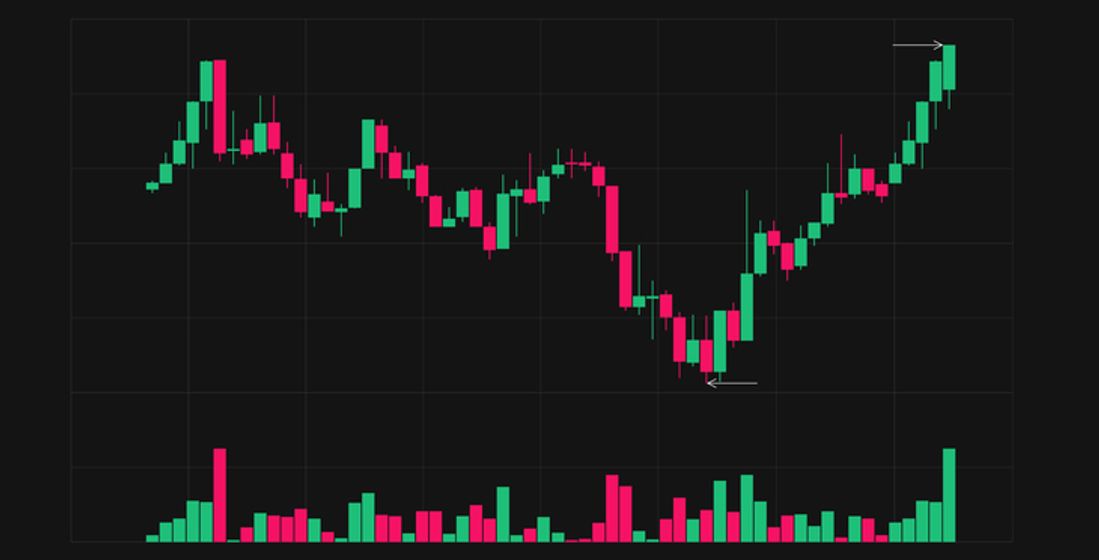
Scroll through TikTok, Instagram, or YouTube, and you'll quickly find someone claiming they've turned a few thousand dollars into six figures through day trading. Luxury cars, expensive watches, and screenshots of massive profits are often presented as proof that anyone can beat the market with enough determination.
The reality is far less glamorous.
Does Anyone Actually Have an Edge?
Day trading is the practice of buying and selling securities within the same trading day to profit from short-term price movements. In theory, consistently identifying these movements would generate returns above the market.
The problem is competition.
Every trade you make is against institutions that spend billions of dollars on technology, research, and talent. Firms such as Citadel Securities, Jane Street, and Virtu execute trades using sophisticated algorithms, low-latency infrastructure, and teams of quantitative researchers. By the time most retail traders react to breaking news, professional firms have often already priced that information into the market.
This does not mean it is impossible to outperform the market. A small number of traders do achieve consistent success, but they are the exception rather than the rule. Like professional athletes, their results are difficult to replicate and often require years of experience, strict risk management, and a genuine statistical edge.
What the Data Says
The evidence against profitable day trading is remarkably consistent.
A study of the Taiwanese stock market by professors Brad Barber, Yi-Tsung Lee, Yu-Jane Liu, and Terrance Odean found that fewer than 1% of day traders were able to earn consistent abnormal profits over the long run. Even among those who traded frequently, the overwhelming majority lost money after accounting for commissions and transaction costs.
Research from the Brazilian futures market reached a similar conclusion. Economists found that 97% of individuals who traded futures for more than 300 trading days lost money, and only a tiny fraction earned enough to exceed the salary of a typical bank teller.
These findings are not isolated. Across multiple countries and markets, academic research consistently shows that most active traders underperform both the broader market and simple buy-and-hold strategies over long periods.
The Business Behind Day Trading
If day trading is so difficult, why does it appear everywhere online?
For many influencers, the real business is not trading. It is selling the idea of trading.
Courses costing hundreds or even thousands of dollars, paid Discord communities, mentorship programs, affiliate links, brokerage referrals, and advertising revenue often generate more reliable income than trading itself. Flashy lifestyles, rented exotic cars, and carefully selected winning trades are powerful marketing tools because they appeal to people looking for financial freedom as quickly as possible.
Social media also creates survivorship bias. Millions of unsuccessful traders never build an audience. The handful who appear successful dominate your feed, creating the illusion that profitable day trading is common when the opposite is true.
A Better Way Forward
The goal of investing should not be to outperform everyone else every day. It should be to build wealth consistently over decades.
Markets reward patience far more often than constant action. The investors who achieve long-term success are usually those who understand businesses, diversify their portfolios, control their emotions, and allow compounding to do the heavy lifting.