Few industries place as much emphasis on professional dress as high finance. While technology firms have embraced hoodies and sneakers, investment banking, private equity, and many asset management firms continue to uphold a dress code rooted in more than a century of tradition.
The modern banking uniform originated in London's financial district during the late nineteenth and early twentieth centuries. Bankers adopted dark wool suits because they projected stability, discretion, and professionalism. Unlike entrepreneurs, bankers were selling trust. That philosophy still shapes how finance professionals dress today. Although many firms have adopted business casual policies, client-facing bankers are still expected to dress conservatively.
Building the Foundation
Every aspiring banker should own three suits: navy, charcoal, and medium gray. These colors are appropriate in nearly every professional setting. Black suits should generally be reserved for formal evening events.
Fit matters more than price. A tailored $700 suit will almost always look better than an ill-fitting designer suit. For students and young professionals, Spier & Mackay, Suitsupply, and Brooks Brothers offer excellent value. As careers progress, brands such as Canali, Brioni, and Kiton become more common.
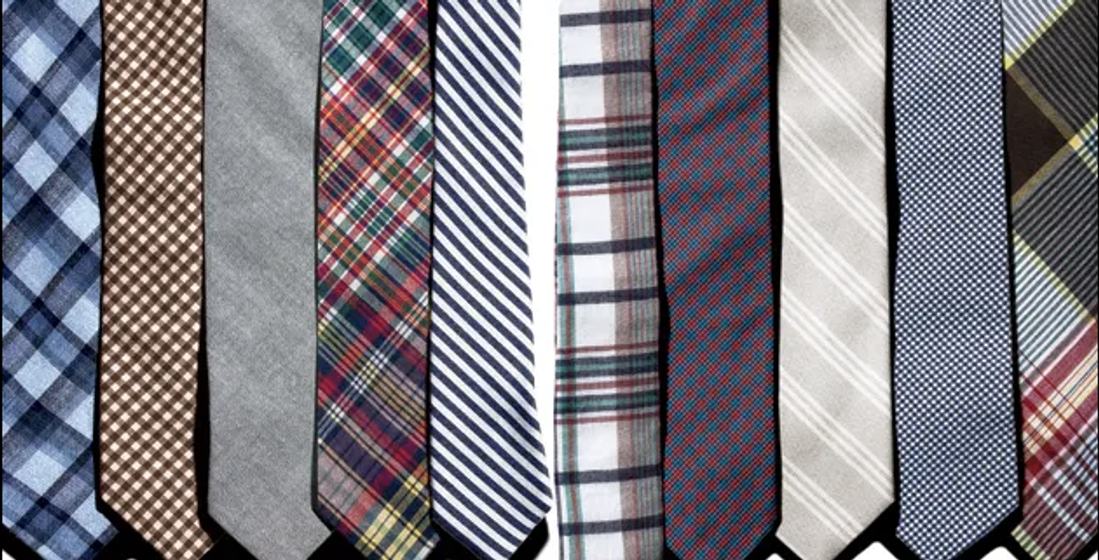
Shirts should almost always be white or light blue with spread or semi-spread collars. Ties should be silk, conservative, and free of loud patterns. Navy grenadine ties, burgundy ties, and subtle striped ties are all safe choices.
Dress According to Your Position
One of the unwritten rules of finance is that your wardrobe should reflect your seniority.
Analysts and associates should focus on consistency rather than individuality. Bold checks, colorful pocket squares, statement watches, contrast stitching, or unusual fabrics should generally be avoided. Early in your career, blending into the firm's culture is more important than expressing personal style.
Vice Presidents, Directors, and Managing Directors have greater flexibility because they have already established credibility. This is where details such as banker collars, also known as white contrast collars, become appropriate. Senior professionals are also more likely to wear textured ties, tasteful pocket squares, cufflinks, and luxury watches, though none of these should appear excessive.
Shoes and Accessories
Shoes are one of the easiest ways to judge the quality of an outfit. Black cap-toe Oxfords remain the standard in investment banking, while dark brown Oxfords pair well with navy and gray suits. Derby shoes are acceptable in many offices, and loafers are increasingly common for senior professionals on business casual days.
Avoid sneakers, square-toed shoes, athletic soles, or heavily embellished footwear.
For entry-level professionals, Allen Edmonds, Meermin, Loake, and Carmina offer excellent quality. At the highest end, brands such as Edward Green, John Lobb, and Crockett & Jones are considered benchmarks of classic dress shoes.
Accessories should remain understated. Match your belt to your shoes, keep jewelry minimal, and choose a classic watch over a flashy one. Well-respected options include the Omega Aqua Terra, Rolex Datejust, and Cartier Santos.
Finance has become less formal over the past decade, but the underlying principle has not changed. Dress to inspire confidence, avoid unnecessary attention, and remember that professionalism almost always outweighs fashion.